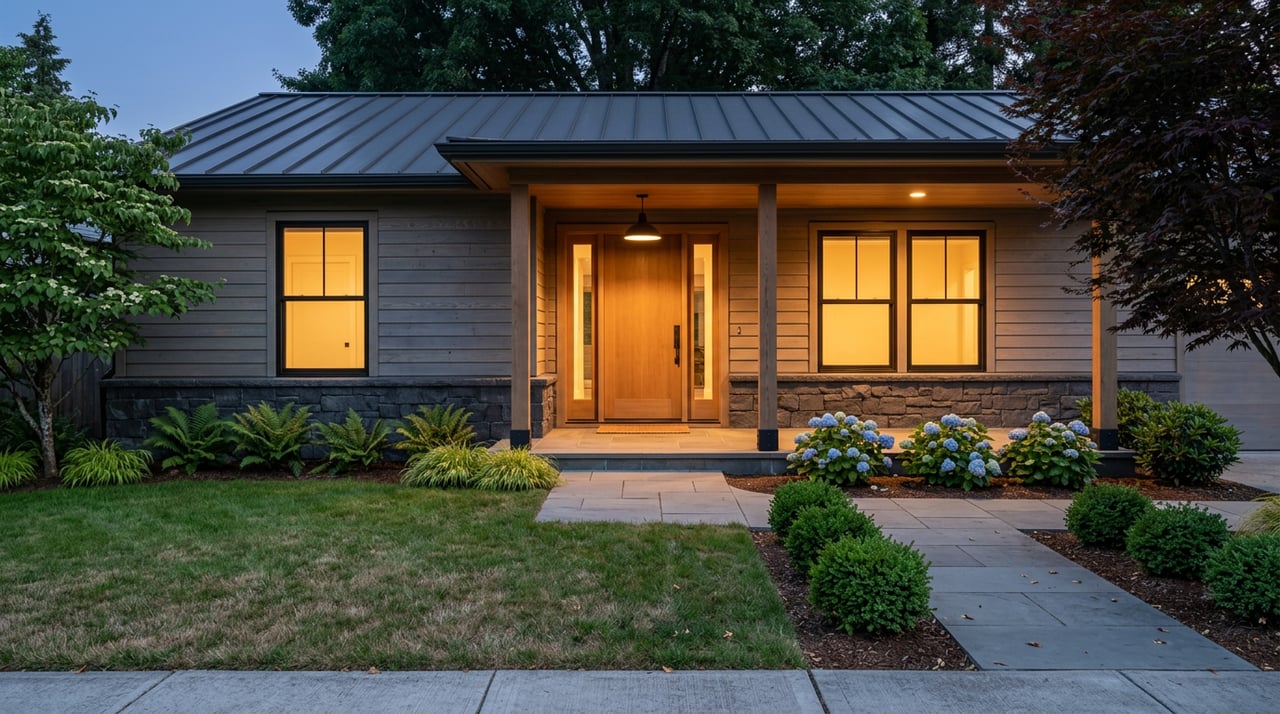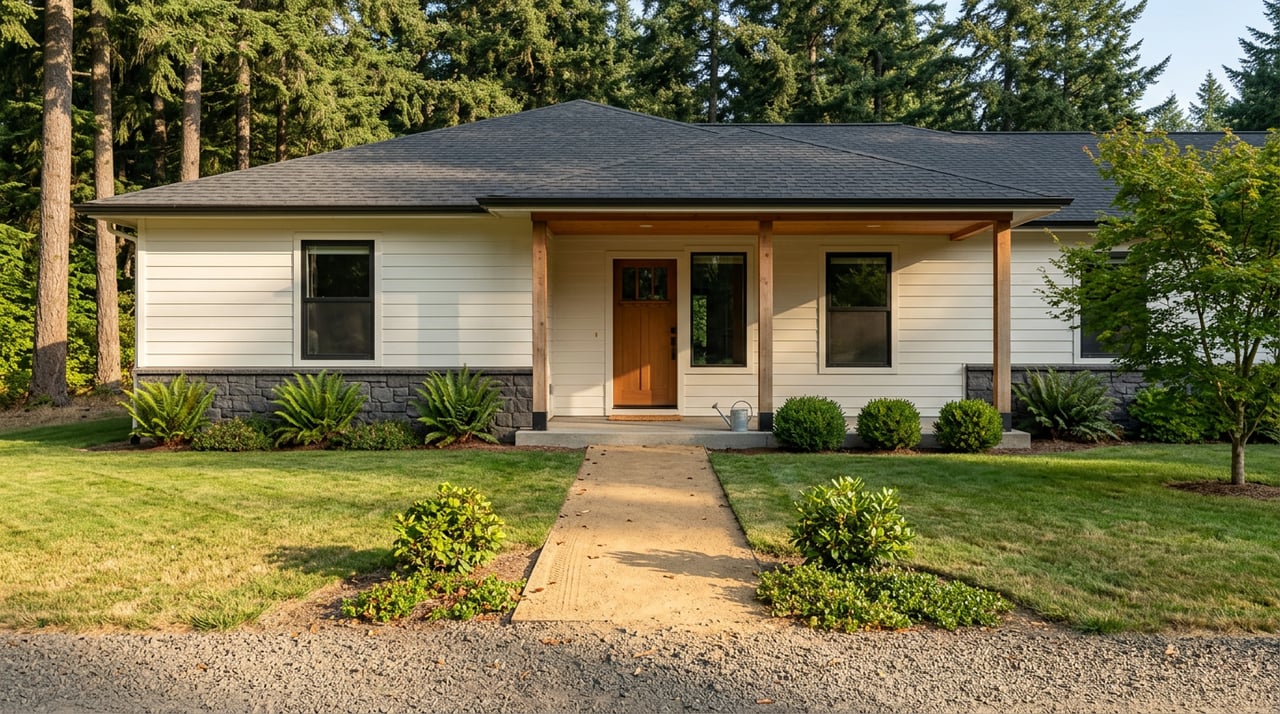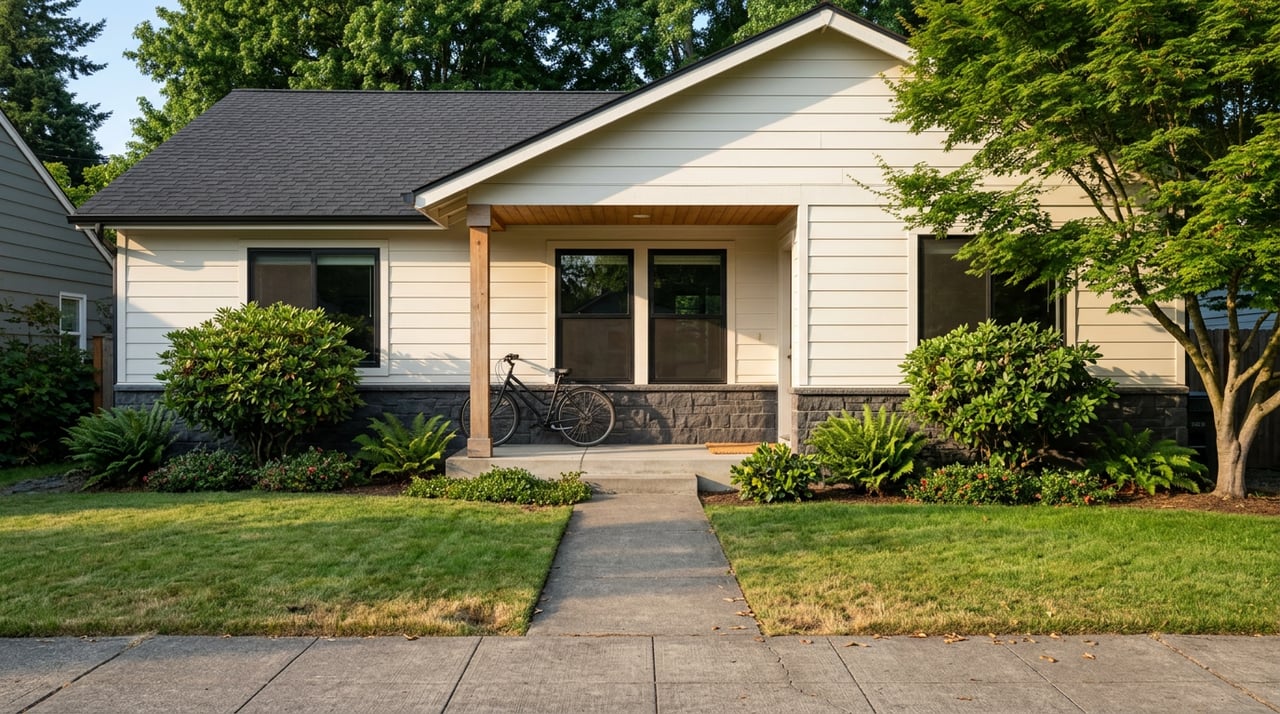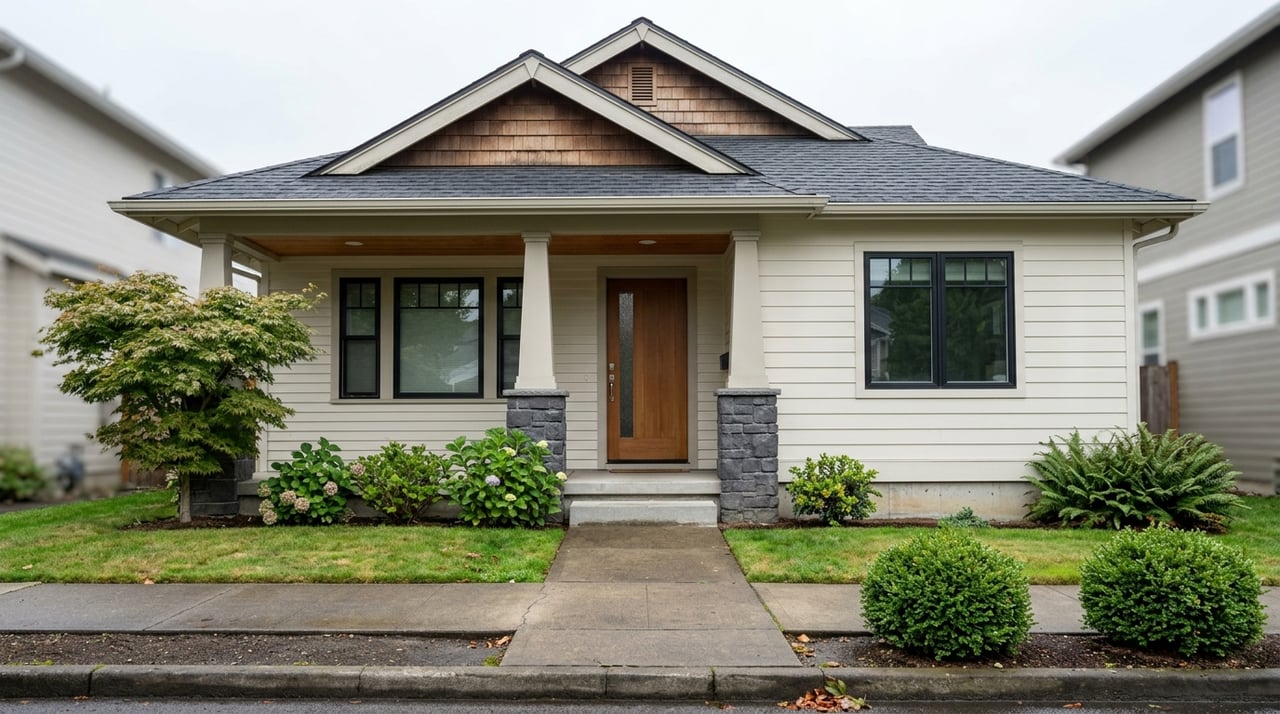
Trying to choose between an older Portland home and a newer one? You are not alone. In Portland, that decision is rarely just about the year a home was built. It often means weighing character against convenience, detached living against attached options, and future projects against move-in-ready comfort. If you are wondering which path fits your budget, lifestyle, and risk tolerance, this guide will help you sort through the tradeoffs. Let’s dive in.
Why this choice matters in Portland
Portland has a large mix of both older and newer housing, and that shapes what buyers actually see on the market. The City of Portland’s 2024 State of Housing report estimates 304,113 housing units citywide, with 54% single-family, 32% multifamily, and 14% middle housing.
That same report notes that about 75% of residential permits from 2010 to 2024 were multifamily. In practical terms, newer construction in Portland often means condos, townhomes, or other attached housing rather than a classic detached house.
Older homes also make up a big part of Portland’s identity. A city housing supply report found that nearly 35% of units were built before 1940, and about 25% were built from 1940 to 1960. That helps explain why so many buyers are drawn to older homes with distinct architecture and established surroundings.
Older vs. newer homes at a glance
When you compare older and newer homes in Portland, you are often comparing more than age alone. You may also be comparing floor plans, maintenance needs, efficiency, and whether city review rules could affect future changes.
Here is a simple way to think about it:
| Feature | Older Portland Homes | Newer Portland Homes |
|---|---|---|
| Common appeal | Character, defined rooms, architectural detail | Contemporary layouts, convenience, lower near-term wear |
| Typical maintenance outlook | More uncertainty, more inspection focus | Fewer immediate replacement projects in many cases |
| Energy baseline | May need upgrades for comfort and efficiency | Built to current Oregon energy code requirements |
| Remodeling flexibility | May face historic review or deconstruction rules | Often fewer age-related restrictions |
| Common housing type | More likely detached single-family | Often attached or higher-density product |
Maintenance: what you may face first
For many buyers, maintenance is the biggest deciding factor. Older homes can be wonderful, but they often come with more near-term unknowns. Portland’s housing supply report notes that older housing creates different structural maintenance needs than newer stock.
That does not mean every older home is a problem. It does mean you should pay close attention to the condition and age of major systems. Roofs, windows, plumbing, electrical, and heating and cooling systems can have a major impact on your first few years of ownership.
Newer homes usually lower the chance that you will need immediate replacement work. Because they start with newer materials and systems, they often offer a smoother first chapter for buyers who want fewer early projects.
Energy efficiency and comfort differences
One of the clearest differences between older and newer homes is often comfort. The U.S. Department of Energy says many older homes have less insulation than homes built today, and that windows, doors, and air leakage can be major sources of energy loss and comfort issues.
Windows are a big part of that story. DOE says window heat gain and loss can account for 25% to 30% of residential heating and cooling energy use. It also notes that efficient new buildings typically use double- or triple-glazed windows, while single-pane windows remain common in older buildings.
Newer homes also benefit from current Oregon code requirements. Oregon says Chapter 11 of the Oregon Residential Specialty Code became mandatory on April 1, 2024, and those energy provisions cover insulation, equipment, windows, lighting, and related standards.
The bottom line is simple. Newer homes usually start with a stronger efficiency baseline, while older homes may need targeted upgrades to reach a similar comfort level.
Older homes can still be comfortable
If you love the look and feel of an older home, do not assume comfort is out of reach. DOE says adding insulation and air sealing can reduce energy bills and improve comfort in existing homes.
That said, improvements cost money. If you are shopping older homes, it is smart to leave room in your budget for upgrades like insulation, weather sealing, or window improvements if the home has not already been updated.
This is where careful due diligence matters. A home with strong maintenance records and thoughtful updates can feel very different from one that has had little work over time.
Layout and lifestyle fit
Floor plan matters just as much as condition. Many buyers want more open and flexible living space, and newer homes often deliver that more easily.
National buyer preference research from NAHB found that 85% of buyers want a kitchen-dining arrangement that is completely or partially open. The same research found that 79% want a kitchen-family room combination, and 63% want the washer and dryer on the first floor.
That helps explain why newer homes can feel easier for day-to-day living. Open kitchens, combined gathering spaces, and convenience-focused layouts are common in newer construction and many recent remodels.
Older homes may appeal more if you prefer defined rooms and a different flow. Some buyers love having separate spaces for quiet, work, or formal use. Others are specifically drawn to details and proportions that are harder to find in newer builds.
Historic rules and future plans
In Portland, an older home may come with another layer to consider: preservation and demolition rules. If you are buying with plans to remodel heavily, expand later, or even consider a teardown, this is especially important.
The City of Portland says that if a house or duplex was built in 1940 or earlier, the city’s deconstruction ordinance can require deconstruction rather than demolition. That can affect both timeline and cost if major removal is ever part of your plan.
Historic status can also matter. Portland says historic districts such as Irvington and Ladd’s Addition are subject to special rules, and alteration, addition, and new construction proposals within historic districts are subject to Historic Resource Review.
That does not make an older home a bad choice. It simply means you should understand what is allowed before you buy, especially if flexibility for future changes is high on your list.
Which type of home fits you best?
A newer Portland home may be the better fit if you want:
- Lower near-term maintenance risk
- Better baseline energy performance
- A more open floor plan
- Fewer immediate upgrade projects
- Simpler day-one living
An older Portland home may be the better fit if you want:
- Architectural character
- More defined rooms
- A detached home in an established area
- A property you can improve over time
- A home that feels distinct from newer construction
Neither option is universally better. The right answer depends on how you balance budget, comfort, style, and willingness to take on future work.
Questions to ask before you decide
No matter which type of home you prefer, asking the right questions can save you time and stress. In Portland, these are some of the most useful questions to bring into your search:
- How old are the roof, windows, electrical, plumbing, and HVAC systems?
- How much insulation and air sealing is already in place?
- Does the layout fit how you actually live day to day?
- Is the property in a historic district or subject to a historic-resource overlay?
- If major rebuilding is ever a goal, would Portland’s deconstruction rules apply?
These questions help move the conversation from general opinions to real property-level facts. That is where smart buying decisions happen.
A practical Portland buyer approach
In this market, the best move is often to compare homes through the lens of total ownership, not just list price. A lower-priced older home may still require a meaningful upgrade budget. A newer home may cost more upfront, but save you money or stress in the first few years.
It also helps to think about your timeline. If you need a home that works well right away with minimal disruption, newer may have the edge. If you are comfortable making improvements over time and value character enough to accept the tradeoffs, an older home can be a great long-term fit.
The goal is not to force a one-size-fits-all answer. It is to match the home to your priorities and make sure you understand the likely costs, comfort level, and restrictions before you commit.
When you are comparing older and newer homes in Portland, clear guidance can make the process feel a lot less overwhelming. If you want help evaluating tradeoffs, reading between the lines on inspections, and choosing a home that fits your goals, connect with Carrie Welch.
FAQs
What is the main difference between older and newer homes in Portland?
- In Portland, the choice is often about more than age. Older homes may offer more character and defined rooms, while newer homes often offer stronger energy performance, contemporary layouts, and lower near-term maintenance needs.
Are newer homes in Portland usually detached houses?
- Not always. The City of Portland reports that about 75% of residential permits from 2010 to 2024 were multifamily, so newer homes are often attached or higher-density housing rather than traditional detached homes.
Do older Portland homes usually cost more to maintain?
- They can. Older homes often come with more uncertainty around systems like roofs, windows, plumbing, electrical, and heating or cooling, so inspections and repair planning are especially important.
Are newer Portland homes more energy efficient?
- In general, yes. Newer homes must meet current Oregon residential energy code requirements, and they often start with better insulation, windows, and overall efficiency than older homes.
Can an older Portland home be upgraded for better comfort?
- Yes. DOE says insulation and air sealing can improve comfort and reduce energy bills in existing homes, but you may need to budget for those upgrades.
What should I know about historic rules for older homes in Portland?
- Some older homes may be in historic districts or affected by historic-resource review rules. If you are planning major changes, additions, or redevelopment, it is important to confirm what city review may apply before you buy.
Does Portland have special rules for tearing down older homes?
- Yes. Portland says houses or duplexes built in 1940 or earlier may be subject to the city’s deconstruction ordinance, which can require deconstruction rather than demolition.
How do I choose the right home type for my needs in Portland?
- Start with your priorities: maintenance tolerance, layout preferences, energy efficiency goals, and future remodel plans. Then compare individual homes based on condition, updates, and any city rules that could affect your options later.