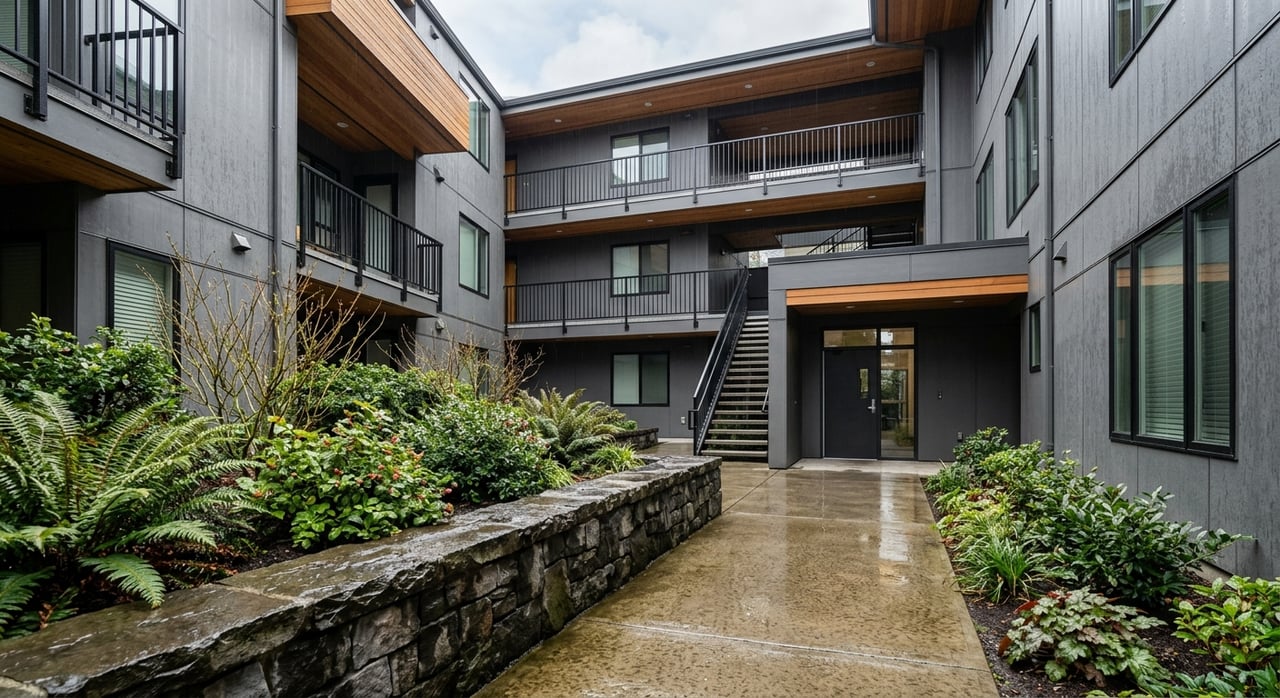
Trying to choose between a condo and a townhome in Beaverton? You are not alone, and the confusion is understandable. Many buyers compare them as if the difference is just size or style, but in Oregon, the bigger issue is how the property is legally set up and who is responsible for what. If you understand ownership, maintenance, parking, and shared costs before you buy, you can make a much more confident decision. Let’s dive in.
Why the legal setup matters most
In Beaverton, the words condo and townhome do not always tell you the full story. A condo is a legal form of ownership where you own your unit and also share an undivided interest in common elements, which can include structural components, landscaping, and parking.
A townhome, by contrast, is defined in Beaverton code as a dwelling on an individual lot that shares one or more walls with neighboring units. That often makes a townhome feel more like a house, but it does not automatically mean you have fewer rules or no association involvement.
The key takeaway is simple: the recorded ownership structure matters more than the marketing label. Two homes can look very similar from the street and still come with very different responsibilities, costs, and levels of control.
How condos usually work
With a condo, the homeowners association generally handles maintenance, repair, and replacement of the common elements. Those shared expenses are then charged to unit owners based on the governing documents.
That setup can be appealing if you want less exterior upkeep on your plate. It also means you should expect monthly dues and shared decision-making, because the association is part of how the property is managed.
In Oregon, condo buyers also receive a condominium disclosure statement and a unit sales agreement. That is a good reminder that when you buy a condo, the paperwork is not just a side detail. It is part of what you are buying.
What that can mean for you
If you are busy, want a simpler maintenance routine, or prefer a more shared-amenity lifestyle, a condo may fit well. But you will want to look closely at what the dues cover and what restrictions or rules come with the community.
How townhomes usually work
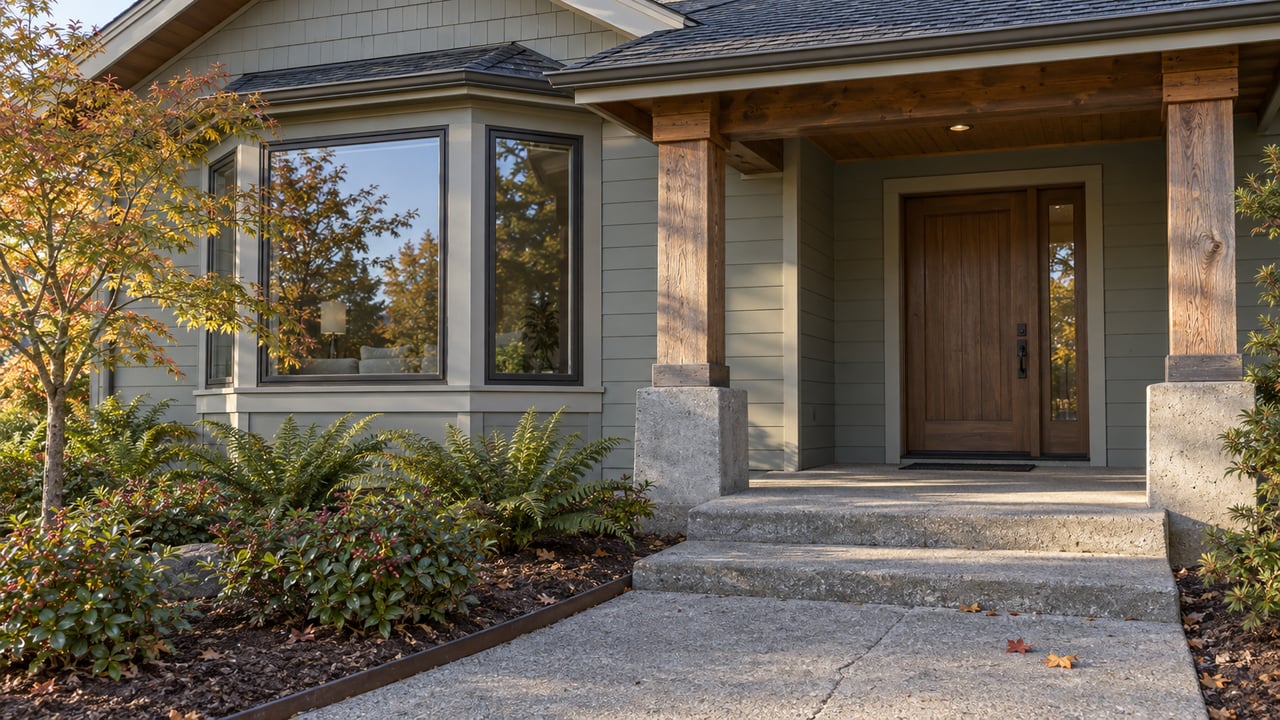
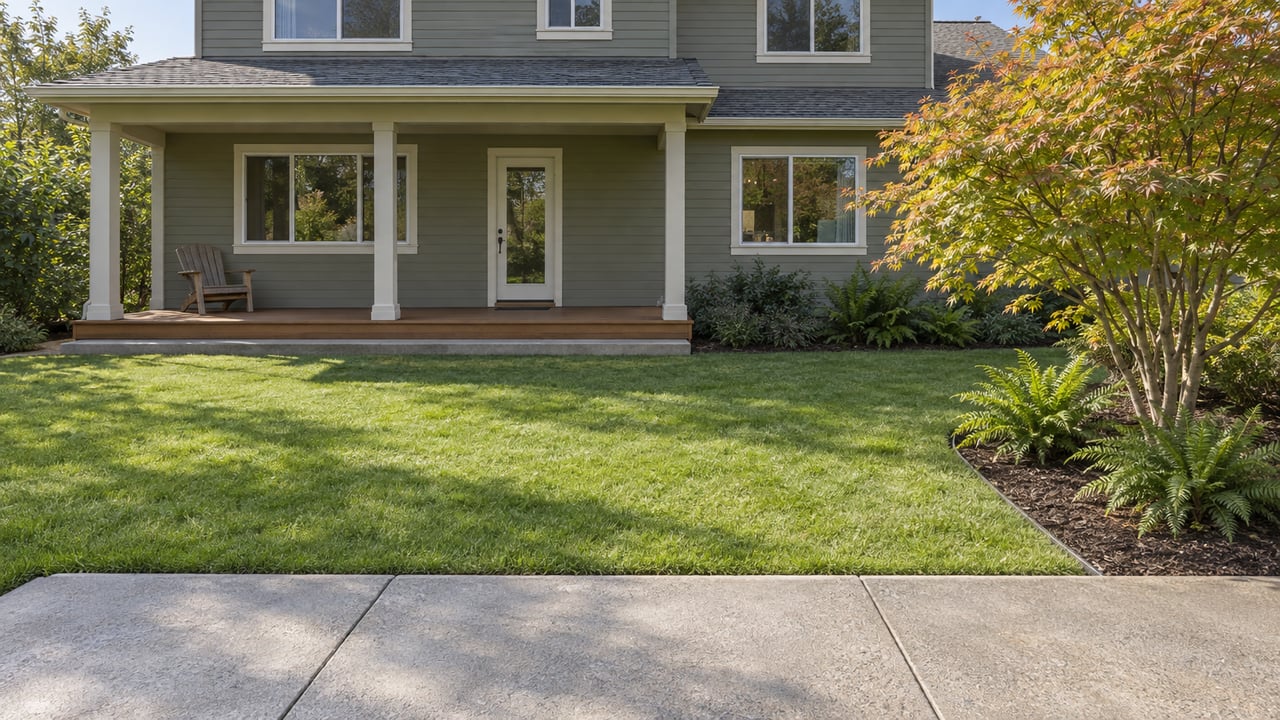
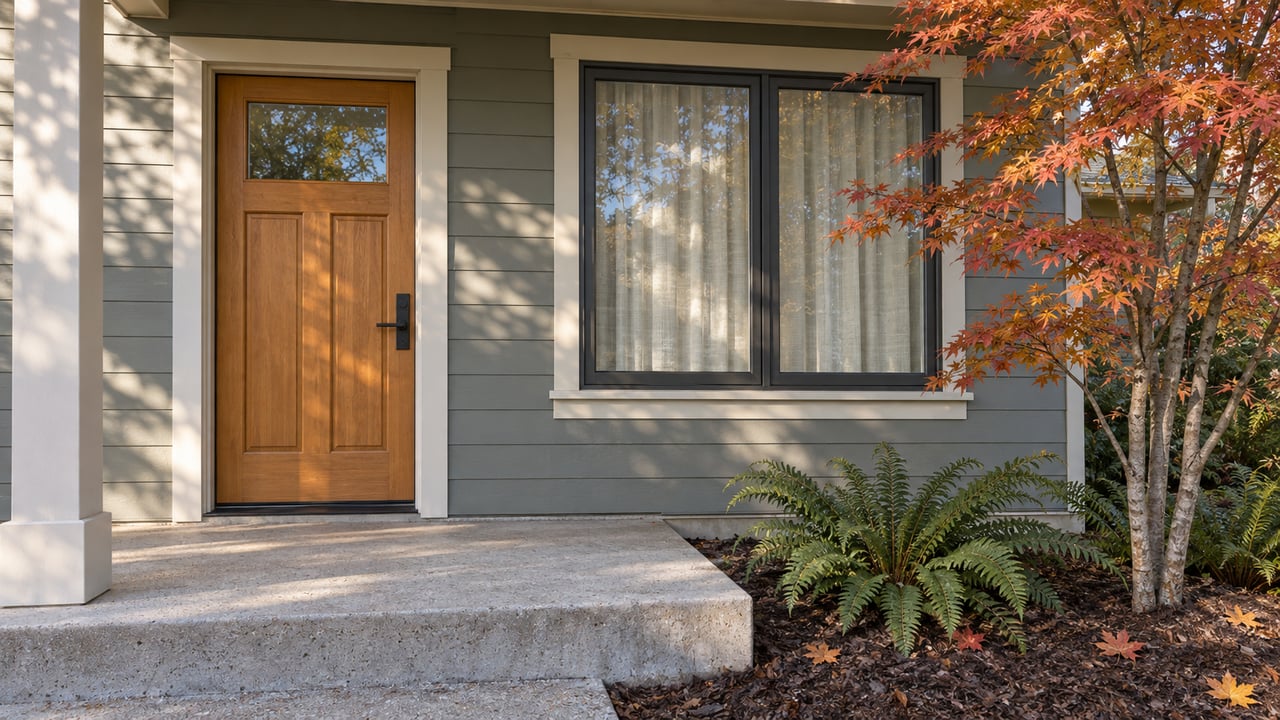
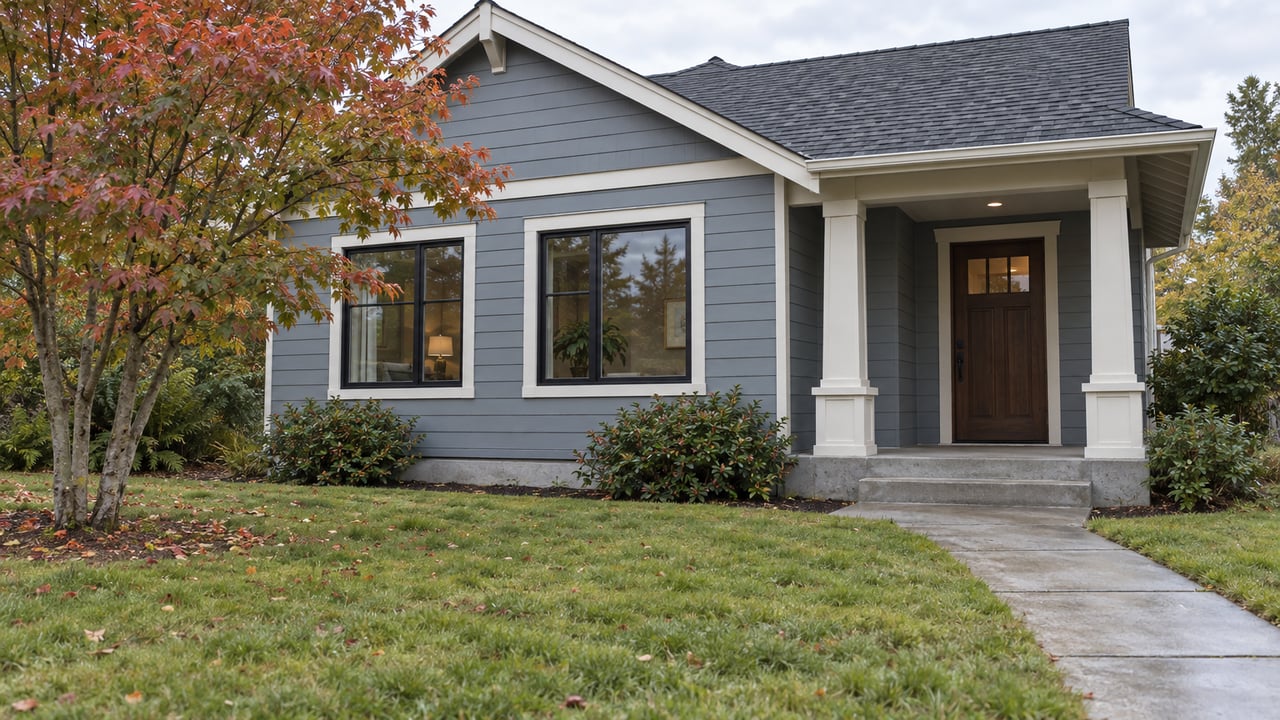
Townhomes in Beaverton often feel more house-like because they are typically built on individual lots with shared walls. City standards also support layouts that can include private entries, garages, driveways, and some form of outdoor open area, such as a patio or deck.
That said, a townhome should not be treated like a detached house by default. Some townhome developments fall under Oregon planned-community law, which means owners may still share costs and rely on an HOA for some exterior maintenance or common areas.
This is where buyers can get tripped up. A townhome may offer more independence in feel, but the actual day-to-day responsibilities still depend on the recorded governing documents.
What that can mean for you
If you want a private entry, a more traditional home layout, or some dedicated outdoor space, a townhome may be the better fit. Just make sure you confirm who handles the roof, siding, landscaping, and other exterior items before you assume anything.
Compare maintenance before style
One of the smartest ways to decide is to stop asking, “Do I want a condo or a townhome?” and start asking, “Who maintains what?” That question gets to the heart of your future costs, time commitment, and risk.
For condos, the association is generally responsible for common elements. For townhomes, the answer can vary more depending on whether the exterior and shared areas are owner-maintained or association-maintained.
Before you move forward on any property, review the governing documents and look for the exact split of responsibilities. Exterior maintenance is one of the biggest practical differences in how these homes live over time.
HOA dues and decision-making
Monthly dues matter, but what those dues actually cover matters even more. In both condominiums and planned communities, assessments are charges levied by the association, and they can affect your total monthly housing cost in a meaningful way.
A lower purchase price may not feel like the better deal if the dues are high and cover only limited services. On the other hand, higher dues may be easier to justify if they reduce your maintenance burden or cover more shared property costs.
You will also want to think about comfort level. If you are fine with shared rules and group decisions, a condo or townhome with stronger HOA involvement may feel easy and convenient. If you want more direct control over upkeep choices, that may push you toward a home with fewer shared obligations.
Parking can be a bigger deal than buyers expect
In a place like Beaverton, parking can shape your daily experience just as much as square footage. Condo communities often include parking as part of the common elements, which means spaces may be assigned, limited, or shared according to the community rules.
Townhomes may offer garages, driveways, alley access, front-yard access, or shared driveways depending on the development layout. That can create a more house-like parking experience, but it is still important to verify exactly what comes with the property.
If you are comparing two homes that seem equal on paper, parking convenience may be the tie-breaker. It is worth asking where you will park, where guests can park, and whether anything is shared or assigned.
Outdoor space often feels different
Another common reason buyers lean toward townhomes is outdoor space. Beaverton townhouse standards allow required open area to be shared or provided through decks or patios, which helps explain why many townhomes offer at least some dedicated exterior area.
Condo communities, on the other hand, tend to bundle more of the site into common elements. That does not automatically mean less enjoyment, but it may mean less private outdoor control.
If having your own patio, deck, or small outdoor zone matters to you, compare this feature carefully. The listing photos may not tell the full story, so the governing documents and property layout should help confirm what is private and what is shared.
Think about resale from day one
Even if this is your first home, it helps to think ahead to resale. Future buyers will not just evaluate the floor plan. They will also look at monthly carrying costs, parking setup, outdoor space, and the HOA documents.
A condo may appeal to buyers who want less exterior upkeep and are comfortable with more shared infrastructure. A townhome may appeal to buyers who want a more house-like feel and a bit more control, while still accepting some association oversight.
That does not mean one is always better. It means the best resale fit usually comes from matching the property’s structure to what buyers in that price range and lifestyle stage tend to value.
A simple Beaverton decision checklist
If you are torn between the two, compare your options side by side using the same criteria each time.
Choose a condo if you want:
- Simpler exterior upkeep
- A more shared-amenity lifestyle
- A setup where the association generally handles more common-area maintenance
- Less focus on private outdoor space
Choose a townhome if you want:
- A private entry
- A more house-like feel
- Some dedicated outdoor space, such as a patio or deck
- A layout that may include more direct parking access
Verify these details either way
- Who maintains the exterior
- What the monthly dues are
- What the dues actually cover
- Whether parking is assigned, private, or shared
- How costs and control are allocated in the governing documents
- Whether outdoor space is private or common
The best move is to compare the documents, not just the photos
In Beaverton, condos and townhomes can overlap in appearance, price point, and even lifestyle. What separates a smart purchase from a frustrating one is understanding the ownership structure and reading the documents with care.
That is especially important if you are a first-time buyer and want to keep surprises to a minimum. A clear side-by-side review of the legal setup, maintenance split, dues, parking, and outdoor space can help you buy with more confidence.
If you want help comparing condo and townhome options in Beaverton, Carrie Welch can help you sort through the details, spot the differences that matter, and make a decision that fits your goals.
FAQs
What is the main difference between a condo and a townhome in Beaverton?
- In Beaverton, the biggest difference is often the legal ownership structure, not just the look of the home. A condo is a form of ownership with shared common elements, while a townhome is typically a dwelling on an individual lot that shares walls with neighboring units.
Do Beaverton townhomes always have lower HOA involvement than condos?
- No. Some townhomes are part of planned communities where the HOA still handles certain shared costs or exterior maintenance, so you need to review the governing documents to see how responsibilities are divided.
Are condo owners in Oregon responsible for exterior maintenance?
- Condo associations are generally responsible for maintenance, repair, and replacement of common elements, but the exact responsibilities depend on the declaration and bylaws for that community.
Do Beaverton townhomes usually have private outdoor space?
- Many townhomes feel more house-like because they may include a private entry and some dedicated outdoor area, such as a patio or deck, but the amount and type of outdoor space varies by development.
Why should Beaverton buyers compare parking when choosing between condos and townhomes?
- Parking can affect daily convenience in a big way. Condo parking may be assigned or shared through the common elements, while townhomes may have garages, driveways, alley access, or shared driveways depending on the project.
What should first-time buyers review before choosing a condo or townhome in Beaverton?
- First-time buyers should compare the legal ownership form, HOA dues, maintenance responsibilities, parking setup, outdoor space, and the governing documents before deciding.